

The world of Minecraft is full of strange creatures and dangers. One of the most unique and memorable mobs is the Ghast. Floating through the fiery skies of the Nether, these white ghosts are both fascinating and terrifying to players. For many, their first encounter with a Ghast is stressful—its piercing cries and explosive fireballs leave a lasting impression. But the Ghast is more than just a scary enemy; it is a symbol of the Nether’s chaos and challenge. Understanding Ghasts is important for anyone who wants to explore or survive in Minecraft’s toughest environment. This article will give you a deep look at the Ghast—from its origins and behaviour to combat tips and creative uses—so you can master your encounters and enjoy the game even more.
What Is A Minecraft Ghast?
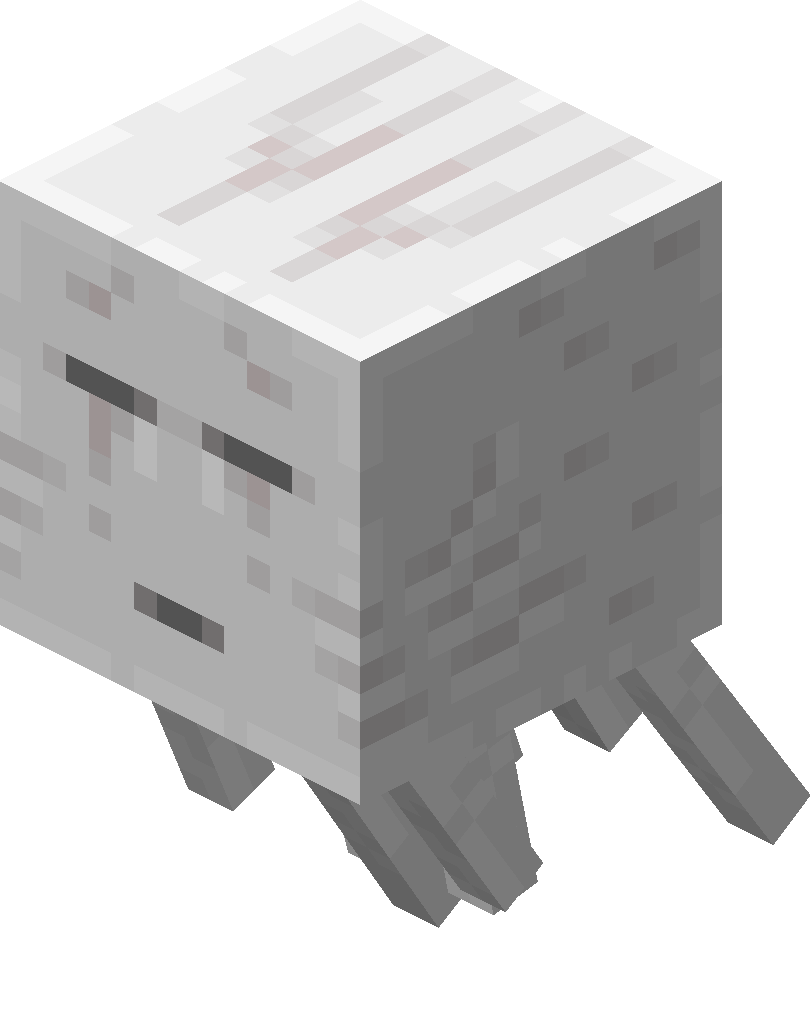
A Ghast is a large, floating mob that lives in the Nether dimension. It looks like a white, cube-shaped ghost with a sad face and tentacle-like appendages hanging underneath. Ghasts are known for their ability to shoot explosive fireballs, making them one of the most dangerous mobs in the Nether.
Ghasts were added to Minecraft in the Alpha 1.2.0 update (October 2010). Mojang designed them to make the Nether feel more dangerous and mysterious. Their unique sound, appearance, and attack style make them stand out among all Minecraft mobs.
Basic Ghast Stats
- Health: 10 hearts (20 HP)
- Size: 4x4x4 blocks
- Attack: Fireballs that explode on impact
- Spawn location: Nether, at light level 7 or less, in open spaces
Their crying sound is one of the most recognizable noises in Minecraft. The Ghast’s fireballs can destroy blocks (except some like cobblestone and nether brick), which adds to their threat.
Ghast Behavior And Movement
Ghasts float through the air, often appearing in wide, open areas of the Nether. They do not walk or land on the ground. Instead, they drift slowly, changing direction at random. Ghasts can detect players from up to 100 blocks away, which is much farther than most mobs.
How Ghasts Attack
When a Ghast sees a player, it stops and opens its mouth. After a moment, it shoots a fireball toward the player. The fireball travels quickly and explodes on impact, causing damage and setting blocks on fire. Ghasts continue shooting until the player is out of sight or range.
- Fireball damage: Up to 9 hearts (18 HP) if hit directly
- Explosion radius: 1 block
- Frequency: Every 3 seconds (about 20 ticks)
Ghasts will not chase players—they simply float and attack from a distance. If you hide behind blocks, the Ghast will lose sight of you and stop attacking.
Where And How Ghasts Spawn
Ghasts only spawn in the Nether, Minecraft’s dangerous hell-like dimension. They appear in large, open spaces, especially near lava lakes or open ceilings. The spawning conditions are:
- Light level: 7 or less
- Block space: At least a 5x5x5 area, so they have room to spawn
- Surface: Spawning happens above solid blocks, not on top of lava
Ghasts are more common in the Nether Wastes biome. They rarely spawn in other Nether biomes like Basalt Deltas or Crimson Forests because these areas have less open space.
Ghast Spawn Rates Compared
Here’s a comparison of Ghast spawn rates with other Nether mobs:
| Mob | Spawn Rate | Biome |
|---|---|---|
| Ghast | Low | Nether Wastes |
| Magma Cube | Medium | Basalt Deltas |
| Piglin | High | Crimson Forest |
| Blaze | Medium | Fortresses |
Ghasts are less common than Piglins or Magma Cubes, but their size and attack make them much more noticeable.
Ghast Fireballs: How They Work
The Ghast’s main weapon is its fireball. These are not regular projectiles—they explode and set blocks on fire. Understanding how fireballs work can help you survive and even use them to your advantage.
Fireball Mechanics
- Launch: Ghast opens mouth, charges, then fires toward player
- Speed: Fast, but slow enough to dodge or deflect
- Explosion: Causes fire and block damage
- Block resistance: Cannot break obsidian, cobblestone, or nether brick
If you hit a fireball with any tool or weapon, you can send it back toward the Ghast. If the fireball hits the Ghast, it takes damage and can be killed.
Fireball Damage Table
| Hit Type | Damage (Hearts) | Effect |
|---|---|---|
| Direct hit | 9 | Explosion, fire |
| Near explosion | 3-6 | Fire, knockback |
| Deflected fireball | 10 | Can kill Ghast |
Most beginners don’t realize that deflecting fireballs is easier than it looks. You can use almost any item, but a sword or shovel makes it simpler.
Ghast Drops And Rewards
When you kill a Ghast, it drops valuable items:
- Ghast Tear: Used in brewing potions
- Gunpowder: Used for TNT and fireworks
Ghast Tears are rare and important. They can be used to make Potion of Regeneration, which heals you over time. Gunpowder is useful for crafting explosives and rockets.
Drop Rates Compared
Here’s a quick look at drop rates for Ghast and other mobs:
| Mob | Main Drop | Drop Rate (%) |
|---|---|---|
| Ghast | Ghast Tear | 33 |
| Ghast | Gunpowder | 66 |
| Creeper | Gunpowder | 100 |
| Blaze | Blaze Rod | 50 |
Ghast Tears are much rarer than gunpowder. Always collect them if you can.
Combat Strategies: Fighting Ghasts
Ghasts are not easy to fight, especially for beginners. Their attacks can destroy terrain, making the battle unpredictable. Here are the best strategies for dealing with Ghasts:
1. Use A Bow Or Crossbow
The safest way is to shoot the Ghast from a distance. Ghasts have a large hitbox, so arrows are likely to land. A Power-enchanted bow can kill a Ghast with one or two shots.
2. Deflect Fireballs
You can hit fireballs back at the Ghast using any tool. Timing is important—watch the fireball’s direction, swing just before it reaches you. If it hits the Ghast, it takes full damage.
3. Take Cover
Ghasts cannot see through blocks. Hide behind cobblestone, nether brick, or obsidian, which are resistant to fireballs. Move out to shoot, then return to cover.
4. Build Safe Paths
When exploring the Nether, build bridges with Ghast-proof blocks. Cobblestone, blackstone, or nether brick do not break from explosions. This prevents Ghasts from destroying your path and making you fall into lava.
5. Bring Potions
A Potion of Fire Resistance protects you from fireball burns and lava. Regeneration potions can help heal after a hit.
Common Mistakes
- Using wood or dirt in Nether builds (Ghasts destroy these easily)
- Ignoring Ghast sounds (always listen for crying)
- Trying to outrun fireballs (better to dodge or deflect)
- Forgetting to collect Ghast Tears after a kill
Many new players don’t realize that Ghasts don’t chase—so hiding works well if you need to escape.
Ghast Sounds: Audio Cues
Ghasts make several sounds that signal their actions:
- Crying: Indicates a Ghast is nearby
- Screaming: When attacking or firing a fireball
- Hurt: When damaged
- Death: When killed
Listening carefully can help you react before you see the Ghast. The sound travels far, so you often hear a Ghast before you see it.
Ghast In Minecraft Lore
Ghasts are mysterious creatures. Their sad, haunting faces and cries make players wonder about their origin. Mojang has not given an official backstory, but many fans have theories:
- Lost souls: Ghasts look like crying ghosts, possibly representing lost souls trapped in the Nether.
- Dream creatures: Their design comes from a developer’s cat making noises during sleep, leading to the unique sound.
- Children of the Nether: Some players believe Ghasts are the “children” of the Nether, meant to be innocent but twisted by the environment.
The lack of clear lore adds to the Ghast’s mysterious appeal. It is a creature that feels out of place, making the Nether even stranger.
Ghast Uses In Minecraft
Ghasts are not just enemies—they have important uses in the game:
Brewing Potions
The Ghast Tear is used to brew Potion of Regeneration. This potion is valuable for healing during combat or exploration.
- Recipe: Ghast Tear + Awkward Potion
- Effect: Heals over time
Fireball Defense
Ghast fireballs can be used to break blocks that you cannot mine easily, like netherrack in large quantities. They are also useful in traps or challenges.
Achievement: Return To Sender
If you kill a Ghast by deflecting its fireball, you earn the Return to Sender achievement. This is a fun challenge for experienced players.
Ghast Farms
Some advanced players build Ghast farms to collect tears and gunpowder automatically. This requires large, open platforms in the Nether and clever trap designs.
Ghast Variants And Minecraft Updates
Ghasts have remained mostly the same since their introduction, but updates have changed how they interact with the world:
- Fireball mechanics: Improved targeting and explosion effects
- Spawn rates: Adjusted in different biomes
- Sound updates: Clearer audio cues
No official Ghast variants exist yet, but fans often imagine new types, such as Mini Ghasts or Ghast bosses.
Ghast Vs Other Nether Mobs
Let’s compare Ghasts to other major Nether mobs:
| Mob | Health | Attack Type | Difficulty |
|---|---|---|---|
| Ghast | 20 | Fireball | High |
| Blaze | 20 | Fire | Medium |
| Magma Cube | 8/16/32 | Melee | Medium |
| Piglin | 16 | Melee, ranged | Low |
Ghasts are dangerous because of their range and ability to destroy terrain. Blazes are tough but easier to dodge. Magma Cubes can overwhelm, but do not deal as much damage.

Credit: www.amazon.com
Advanced Ghast Tips
Here are two insights many beginners miss:
- Ghasts spawn above platforms: If you build a platform high above the Nether floor, Ghasts will spawn more often. This is useful for farming Ghast Tears.
- Snowballs damage Ghasts: Even though snowballs do not hurt most mobs, they damage Ghasts. This is a cheap way to fight them if you bring snowballs from the Overworld.
Creative Uses
Some players use Ghasts in creative builds or challenges, such as:
- Ghast-powered traps: Using Ghast fireballs to trigger TNT or redstone traps.
- Ghast cages: Building glass cages to display Ghasts in creative mode.
Ghast In Multiplayer
In multiplayer servers, Ghasts can cause chaos. Their fireballs can destroy player builds, so many servers use plugins to reduce Ghast damage or prevent fireball explosions.
Ghast Grief Prevention
- Use obsidian or nether brick for Nether builds
- Avoid building in open spaces where Ghasts spawn
- Server admins may adjust spawn rates for safety
Credit: minecraft.fandom.com
Ghast In Minecraft Education And Culture
The Ghast has become a symbol of the Nether’s danger and beauty. It appears in Minecraft merchandise, fan art, and animations. Teachers sometimes use Ghasts in coding lessons, showing how AI works in games.
You can learn more about Ghast history and coding in Minecraft at Minecraft Wiki.
Frequently Asked Questions
What Is The Easiest Way To Kill A Ghast?
The best method is to use a bow or crossbow. Ghasts are slow and large, so aiming is easy. You can also deflect their fireballs back at them with a tool or weapon.
Can Ghasts See Through Blocks?
No, Ghasts cannot see through solid blocks. If you hide behind cobblestone, obsidian, or nether brick, the Ghast loses sight of you and stops attacking.
How Do I Collect Ghast Tears?
After killing a Ghast, the Ghast Tear drops where it died. You must reach the spot quickly, especially if it is over lava. Using a looting-enchanted sword increases the drop rate.
Do Ghast Fireballs Destroy All Blocks?
Ghast fireballs destroy most blocks, but not obsidian, cobblestone, nether brick, or blackstone. Use these materials for safe builds in the Nether.
Can Ghasts Spawn In The Overworld?
No, Ghasts only spawn in the Nether. They cannot appear in the Overworld or the End, unless summoned with commands in creative mode.
—
Understanding the Minecraft Ghast unlocks a new level of confidence in the Nether. Whether you are exploring, fighting, or farming, knowing how Ghasts behave and attack will keep you safe and help you collect valuable resources. Their haunting cries and fiery attacks are part of what makes Minecraft exciting and challenging. With these strategies, tips, and insights, you can enjoy every adventure—even when a Ghast appears above the lava.

Credit: minecraft.wiki