

Minecraft Sheep: A Complete Guide
Sheep are one of the most familiar animals in Minecraft. Many players see them as simple creatures, but sheep offer much more than just wool. They play a key role in survival, farming, and even creative building. Whether you are a beginner or a seasoned player, understanding how sheep work can make your Minecraft journey easier and more colorful.
This article explores everything about Minecraft sheep: their behaviors, breeding, uses, and some tips that even experienced players miss. You will also find data tables comparing sheep with other animals, practical advice, and answers to common questions. If you want to master sheep in Minecraft, keep reading.
Sheep Basics
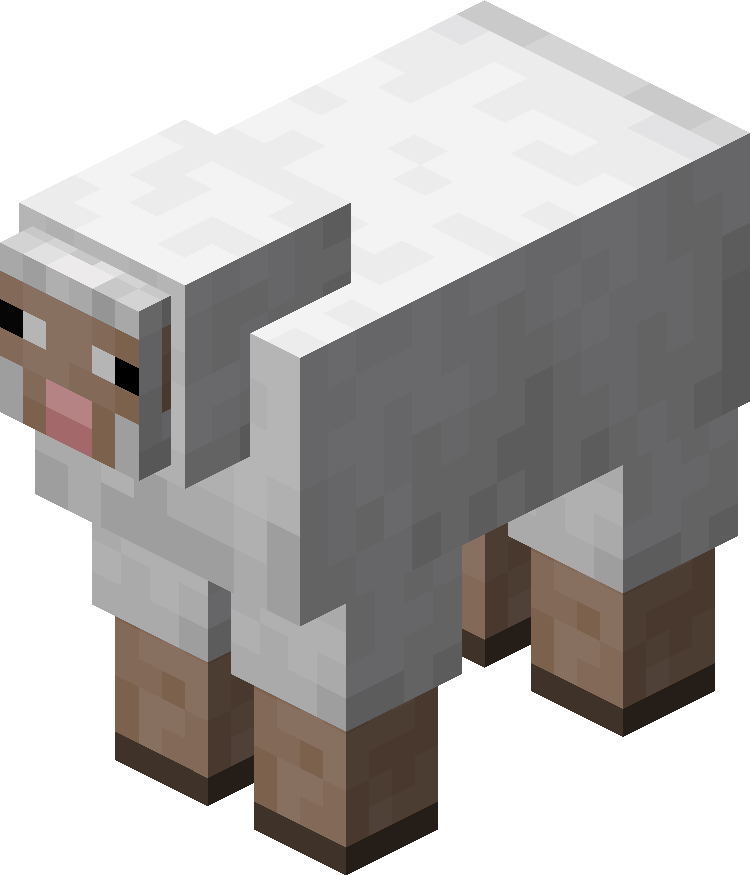
Minecraft sheep look like blocky farm animals. They spawn in grassy areas, usually in groups of two to three. Most sheep are white, but you can also find brown, gray, black, and rarely pink sheep.
Sheep are passive mobs. This means they never attack players or other creatures. They wander, eat grass, and make soft “baa” sounds. If you hit a sheep, it will run away, but it won’t fight back.
Spawn Locations
Sheep appear most often in plains and savanna biomes. You may also find them in mountain biomes, but less frequently. They require grass blocks to spawn.
- Plains: Most common
- Savanna: Second most common
- Mountains: Rare
- Forests: Uncommon
Natural Colors
Sheep spawn in several colors:
- White: About 77% of sheep
- Black: About 5%
- Gray: About 5%
- Light Gray: About 5%
- Brown: About 3%
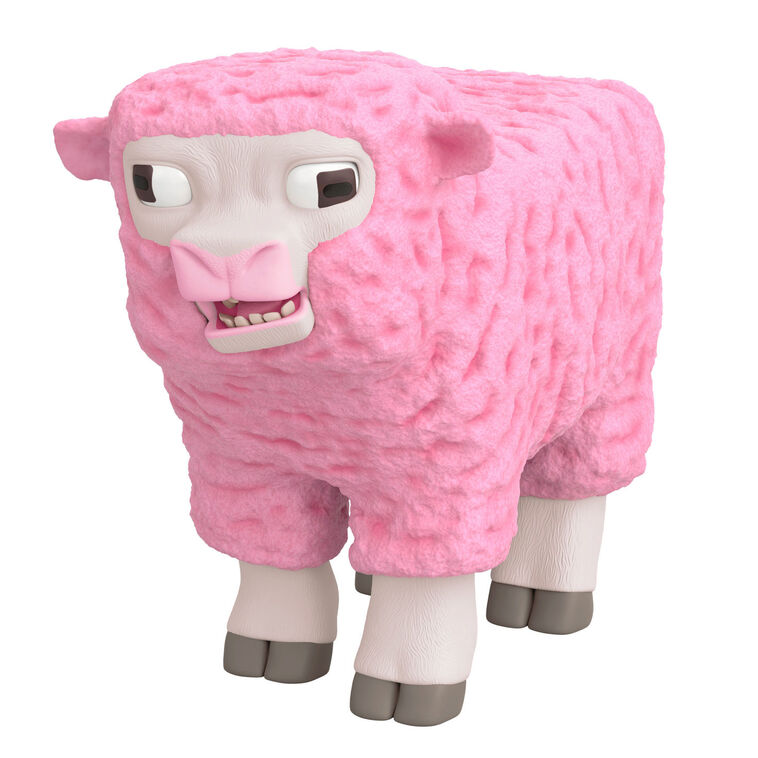
- Pink: About 0.164% (very rare)
If you want colored sheep, it’s easier to dye them yourself.
Sheep Behavior
Sheep are simple, but their behavior affects gameplay. They walk randomly, eat grass, and can follow players holding wheat.
Eating Grass
Sheep eat grass to regrow their wool. When a sheep eats, the grass block turns to dirt, and the sheep’s wool returns if it was sheared. Sheep help keep grassy areas “trimmed” and can turn large fields into dirt patches if kept in tight pens.
Following Wheat
If you hold wheat in your hand, sheep will follow you. This makes it easy to lead them into pens or move them to new locations. Wheat is also used for breeding.
Mob Interactions
Sheep ignore most other mobs. Wolves, however, attack sheep and can quickly kill them if you don’t protect your flock.
Credit: www.hallmark.com
Sheep Uses
Sheep have several uses that help players survive and build.
Wool
The main reason players keep sheep is for wool. You can get wool by killing sheep or by using shears. Shearing is better because sheep regrow their wool, while killing removes them permanently.
Wool is used for:
- Making beds (essential for skipping night)
- Building colorful structures
- Crafting banners and paintings
- Creating carpets
Mutton
Sheep drop raw mutton when killed. Cook it in a furnace for cooked mutton, which restores more hunger. Sheep are a reliable food source, especially early in the game.
Experience
Shearing sheep or breeding them gives experience points. Killing sheep also gives XP, but not as much as breeding.
Breeding Sheep
Breeding sheep is simple and useful. You need wheat to breed sheep. Here’s how it works:
- Feed wheat to two adult sheep.
- Hearts appear above their heads.
- A baby sheep (lamb) spawns nearby.
Baby sheep grow into adults after about 20 minutes. You can speed up growth by feeding them more wheat.
Breeding For Colors
If you breed two colored sheep, the baby gets one parent’s color, or sometimes a mix. For example, breeding a red and blue sheep can give you a purple lamb. This makes sheep breeding useful for collecting rare colors.
Breeding Tips
- Keep sheep in pens to prevent escape.
- Use fences and gates for easy access.
- Always have extra wheat ready.
Dyeing Sheep
You can dye sheep to change their wool color. Just right-click a sheep with dye. The color stays until you dye them again or the sheep dies.
There are 16 wool colors in Minecraft:
- White
- Black
- Gray
- Light Gray
- Brown
- Red
- Orange
- Yellow
- Lime
- Green
- Cyan
- Blue
- Light Blue
- Purple
- Pink
- Magenta
Dyeing sheep is more efficient than dyeing wool blocks, because one sheep produces unlimited wool in that color.
Rare Colors
Pink sheep are extremely rare in the wild. If you want pink wool, it’s better to dye a white sheep with pink dye (made from peonies or rose bushes).
Comparison: Sheep Vs. Other Farm Animals
Sheep, cows, and pigs are the main farm animals in Minecraft. Each has strengths and weaknesses. Here’s a quick comparison:
| Animal | Main Product | Food Source | Other Uses | Breeding Item |
|---|---|---|---|---|
| Sheep | Wool | Mutton | Dyeable, Carpet, Bed | Wheat |
| Cow | Leather | Beef | Milk, Armor, Books | Wheat |
| Pig | None | Porkchop | Saddle Riding | Carrot |
Sheep are unique because of their wool and color options. Cows are best for leather and milk. Pigs are fun for riding, but less useful overall.
Farming Sheep Efficiently
Creating a sheep farm is one of the most practical projects in Minecraft. Here’s how to do it right:
Choosing The Right Location
Pick a flat area with lots of grass. Sheep need grass to regrow wool, so avoid sand or stone regions.
Building The Pen
Use fences to make a secure pen. Add gates for easy entry. Make sure the pen has enough space:
- 3×3 blocks for a few sheep
- 10×10 blocks for larger farms
Keeping Grass Healthy
If you pack too many sheep in a small pen, they will eat all the grass and wool won’t regrow. Leave space and consider adding glass blocks above the pen to let sunlight in, which helps grass spread faster.
Organizing Colored Sheep
If you want many colors, split the pen into sections. Each section holds sheep of one color. Label each section for easy wool collection.
Automatic Wool Farming
Advanced players use redstone and dispensers to make automatic wool farms. Dispensers with shears can shear sheep when they eat grass. Collect wool using hoppers and chests.
Hidden Details And Advanced Tips
Some sheep features are easy to miss. Here are two insights that beginners often overlook:
- Jeb Sheep Easter Egg: If you name a sheep “jeb_” with a name tag, its wool cycles through every color. The wool you shear will still be the original color, but the effect is fun and decorative.
- Grass Regrowth Rate: Grass spreads faster if there is sunlight and fewer sheep per pen. If you keep sheep underground or in the dark, wool regrowth slows down dramatically.
Another advanced tip: sheep can be used in mob farms as bait for wolves or for collecting XP, since breeding sheep gives experience.

Credit: www.amazon.com
Sheep And Minecraft Updates
Sheep have changed over time. Early versions only had white sheep, and wool was the only drop. Later updates added colored sheep, mutton, and improved breeding. The rare pink sheep was added to surprise players and reward explorers.
Minecraft keeps evolving. Sheep will likely remain important in future updates, especially for creative players who need colorful blocks.
Data: Wool Color Distribution
Here is a breakdown of wild sheep colors in Minecraft:
| Color | Chance (%) |
|---|---|
| White | 77.44 |
| Black | 4.75 |
| Gray | 4.75 |
| Light Gray | 4.75 |
| Brown | 2.85 |
| Pink | 0.164 |
If you want rare colors, breeding and dyeing are the best methods.
Example: Building With Wool
Wool is not just for beds. Many creative builders use wool to make pixel art, statues, and colorful houses. Wool blocks are easy to break and place, which makes them perfect for detailed projects.
Here’s a simple example: making a rainbow wall.
- Collect sheep of each color.
- Shear them and gather wool.
- Place wool blocks in a row, each color next to the other.
- Add lights behind the wall for extra effect.
Wool can also be used in traps, as it breaks quickly, or in hidden doors with redstone.
Common Mistakes With Sheep
Many beginners make mistakes when farming sheep. Here are a few to avoid:
- Crowding pens: Too many sheep means no grass, so wool won’t regrow.
- Ignoring wolves: Wolves can enter pens and kill sheep quickly.
- Forgetting to breed: Without breeding, your sheep numbers won’t grow.
- Killing instead of shearing: Shearing is more efficient, and sheep stay alive.
Avoiding these mistakes makes your sheep farm more productive.
Credit: minecraft.fandom.com
Sheep In Multiplayer
In multiplayer, sheep can be valuable. Some servers have rare colored sheep as prizes. Others use sheep in minigames, like racing or “sheep wars. Sharing wool can help team projects go faster.
Be careful: other players might steal sheep or wool. Always protect your pens and use signs to mark ownership.
Sheep Facts And Trivia
Sheep are based on real-world animals, but with Minecraft’s twist. The rare pink sheep is a fun secret. The “jeb_” rainbow sheep is an Easter egg that many players miss.
Sheep are also featured in Minecraft’s educational versions, teaching kids about farming and animal care.
For more detailed stats and history, check the Minecraft Wiki.
Frequently Asked Questions
How Do I Get A Pink Sheep In Minecraft?
Pink sheep spawn naturally, but only about 1 in 610 sheep is pink. It’s much easier to dye a white sheep with pink dye (from peonies or rose bushes).
What Is The Best Way To Collect Wool?
Shearing sheep with shears is best. Sheep regrow wool by eating grass, so keep them on grass blocks. Sheared sheep give one wool block each time, and you can shear them many times.
Can Sheep Be Transported Easily?
Yes, sheep follow players holding wheat. You can also use a lead to pull sheep. Boats and minecarts can move sheep long distances, but wheat is easiest for short trips.
How Do I Breed Colored Sheep For Rare Colors?
Breed two sheep of different colors. Sometimes, the baby will be a blend (like red and blue making purple). Otherwise, the baby gets one parent’s color. Dyeing is still the fastest way for rare colors.
Do Sheep Ever Attack Or Defend Themselves?
No, sheep are passive. They never attack or defend. Wolves attack sheep, so protect your flock with fences or walls.
Minecraft sheep are simple, but mastering them brings big benefits for survival and creativity. With the tips and data above, you can build better farms, find rare colors, and use sheep for food, wool, and fun. Sheep are a small part of Minecraft’s world, but they help make the game colorful and full of possibilities.